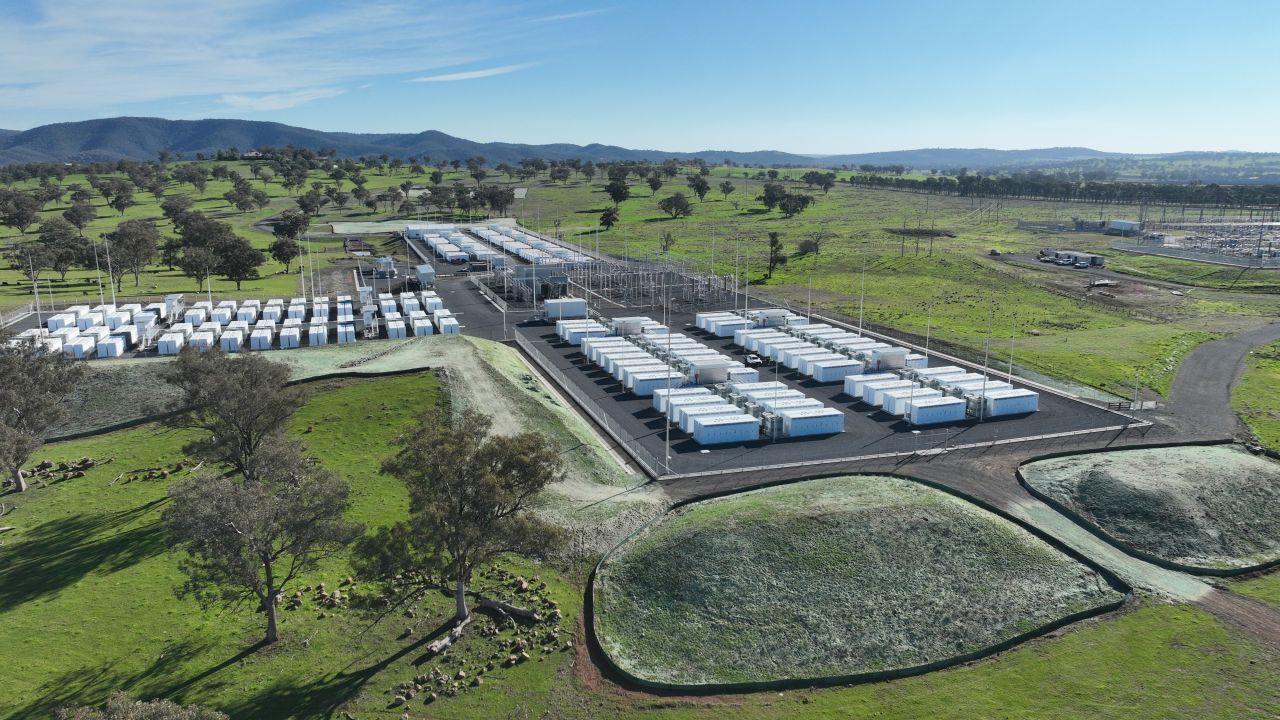
Akaysha secures $1.75 billion finance package to grow battery platform - pv magazine Australia
Akaysha Energy has locked in a $1.75 billion portfolio financing platform to support the company’s next phase of large-scale battery development, including an estimated 25 GWh pipeline of projects across Australia’s National Electricity Market.
pv magazine Australia · 20 Oct

Japanese pension fund giant takes punt on Australian renewables - AFR
Japanese pension fund giant takes punt on Australian renewables AFR
Google News - AFR Renewable Energy · 19 Oct
Federation hawks Qld renewables project as giant wind commitments loom - AFR
Federation hawks Qld renewables project as giant wind commitments loom AFR
Google News - AFR Renewable Energy · 19 Oct
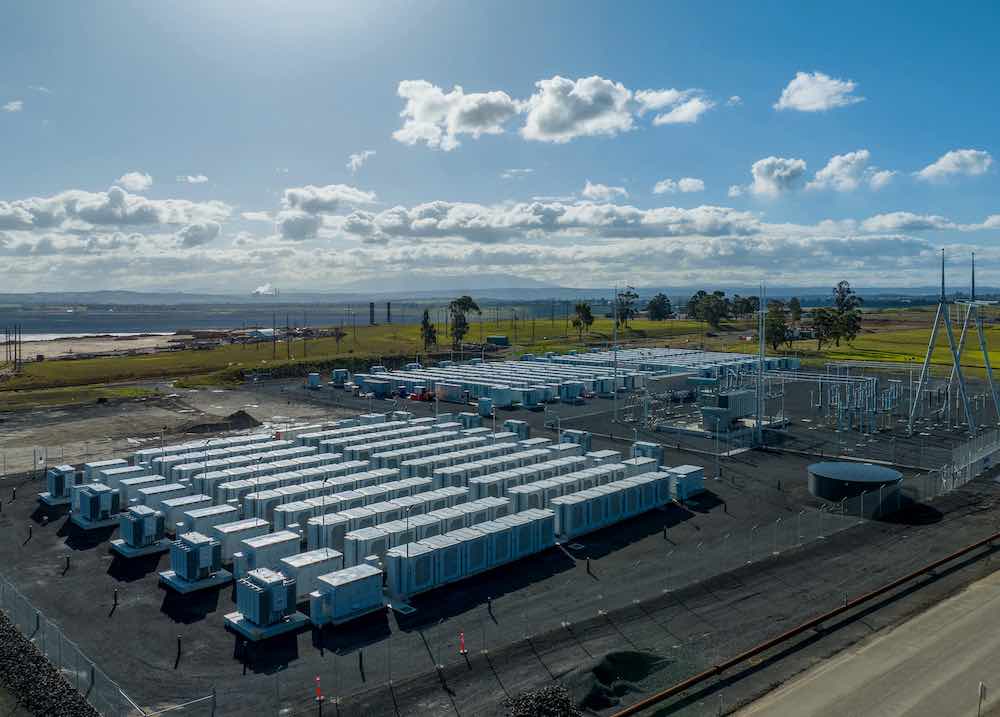
Expansion of first coal country big battery reaches financial close as key licence awarded - RenewEconomy
Plan to expand the big battery built at the site of what was once the country's most polluting coal plant go ahead after gaining key licence and reaching financial close.
RenewEconomy · 19 Oct

Almost 13 gigawatts of new wind and solar projects unveiled to propel state way beyond 100 pct net renewables - RenewEconomy
South Australia unveils project proposals totalling 13 GW of new wind and solar which it says can underpin the next phase of green industry development.
RenewEconomy · 18 Oct
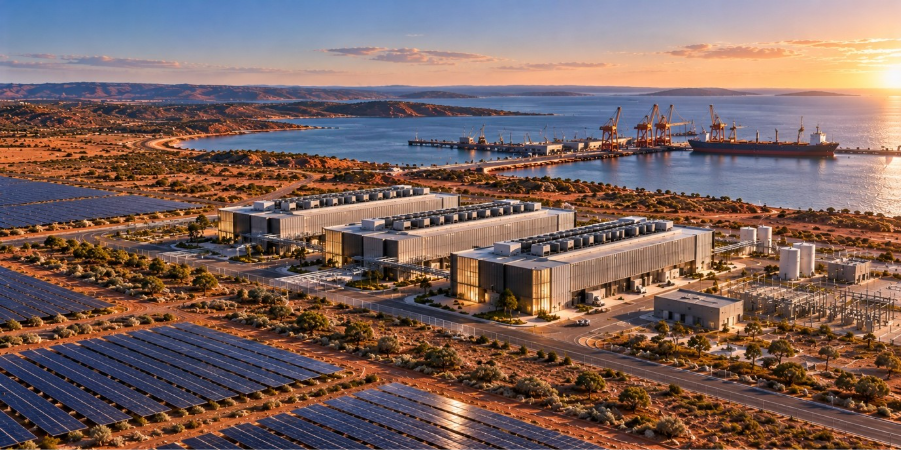
Raystech Group Announces Plans for 500MW AI Data Centre Project in South Australia - Smart Energy Council News
Raystech Group, through its subsidiary Raystech Utility, is progressing early-stage plans for an energy and AI data centre campus at an industrial site in South Australia, with the first phase targeting approximately 130MW.
Smart Energy Council News · 16 Oct
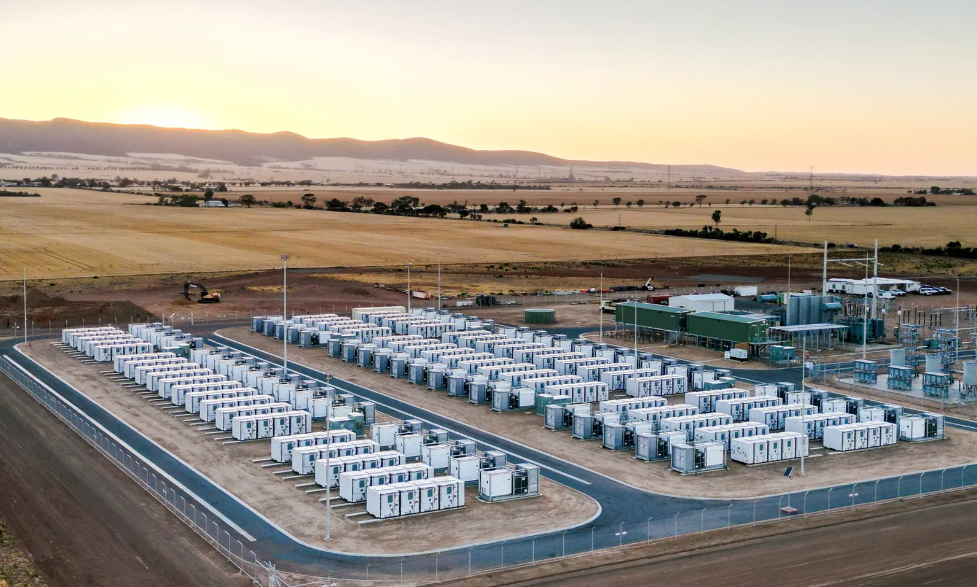
Valo to deliver 1.6 GWh battery storage system using Wärtsilä GridSolve technology - pv magazine Australia
Awarded the contract to deliver the 400 MW / 1,600 MWh Teebar Battery Energy Storage System in Queensland, new energy storage integrator Valo will deploy over 440 containerised batteries for project owner Atmos Renewables.
pv magazine Australia · 16 Oct

Energy Insiders: Grid scale sodium batteries are on their way - RenewEconomy
The battery industry is about to witness another change in chemistry and technology. Valo Energy CEO Peter Fath explains why.
RenewEconomy · 16 Oct

Wind projects will need help “for a while”, says new green bank boss as he signals a tilt in funding priorities - RenewEconomy
The federal government green bank has dusted off an old mandate, but has not ruled out further support for solar projects either.
RenewEconomy · 16 Oct
Google says it needs gas to power big AI data centres in Australia - AFR
Google says it needs gas to power big AI data centres in Australia AFR
Google News - AFR Renewable Energy · 16 Oct
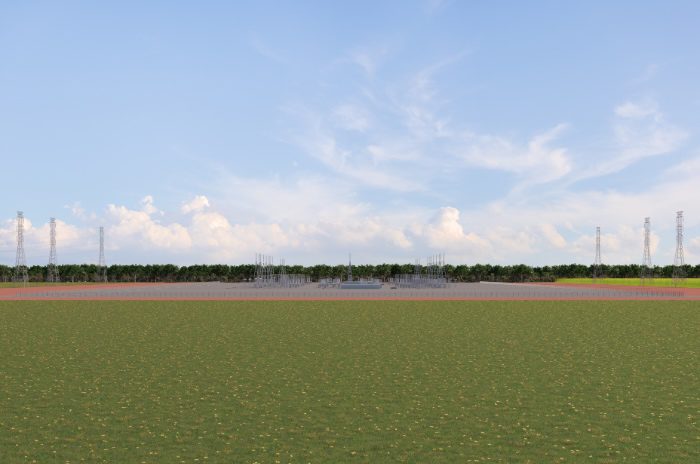
Spanish giant wins contracts for transmission projects to connect offshore and onshore renewables - RenewEconomy
Spanish energy giant snags two major transmission contracts at opposite ends of Australia – one connecting offshore wind to the grid another to accommodate 2.3 GW of new solar and wind.
RenewEconomy · 15 Oct

Approval sought for another huge wind and battery hybrid as state prepares to move beyond coal - RenewEconomy
Plans for a massive wind farm with 92 turbines and an up to eight-hour battery have been lodged, adding another hybrid to the list of projects lining up to replace coal.
RenewEconomy · 15 Oct
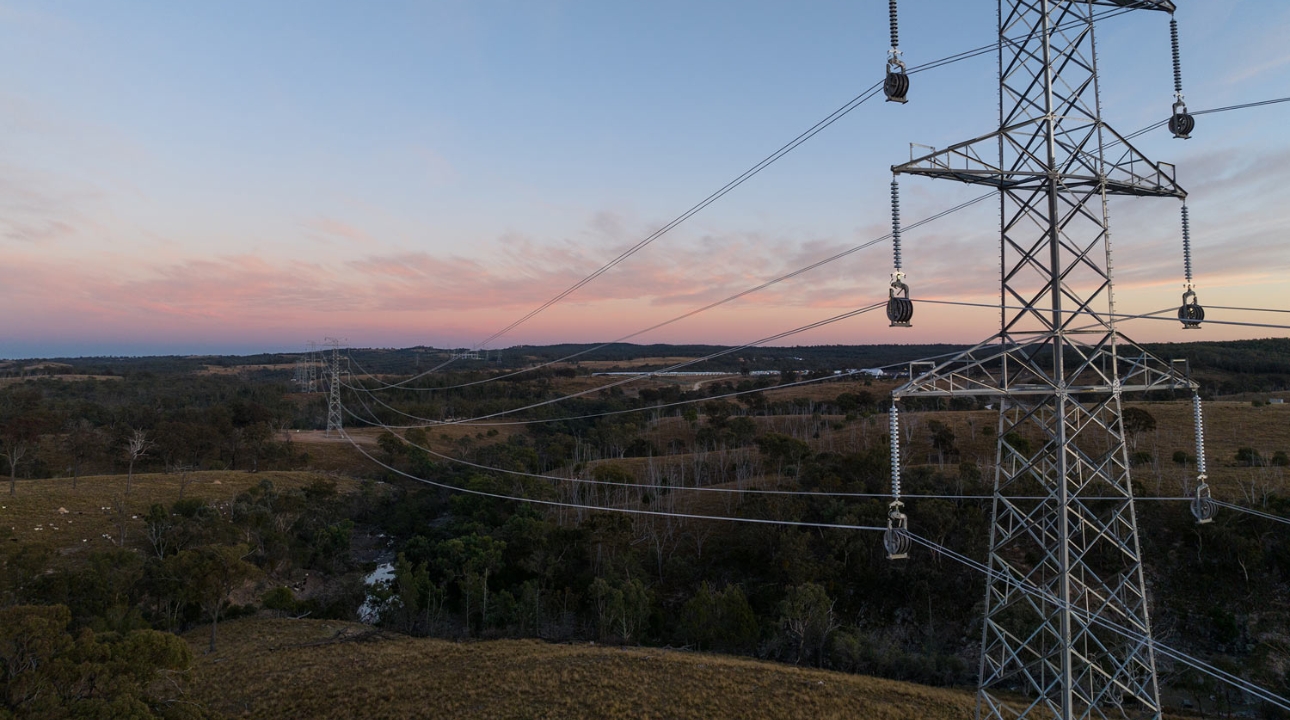
Energy Roadmap helps Queenslanders connect quicker - Powerlink News
Delivered by PolitePaul service
Powerlink News · 15 Oct
Labor’s gas ban in Victoria could send network prices up by 40pc - AFR
Labor’s gas ban in Victoria could send network prices up by 40pc AFR
Google News - AFR Renewable Energy · 15 Oct
Government green bank prepares to step in for stalled wind projects - AFR
Government green bank prepares to step in for stalled wind projects AFR
Google News - AFR Renewable Energy · 15 Oct
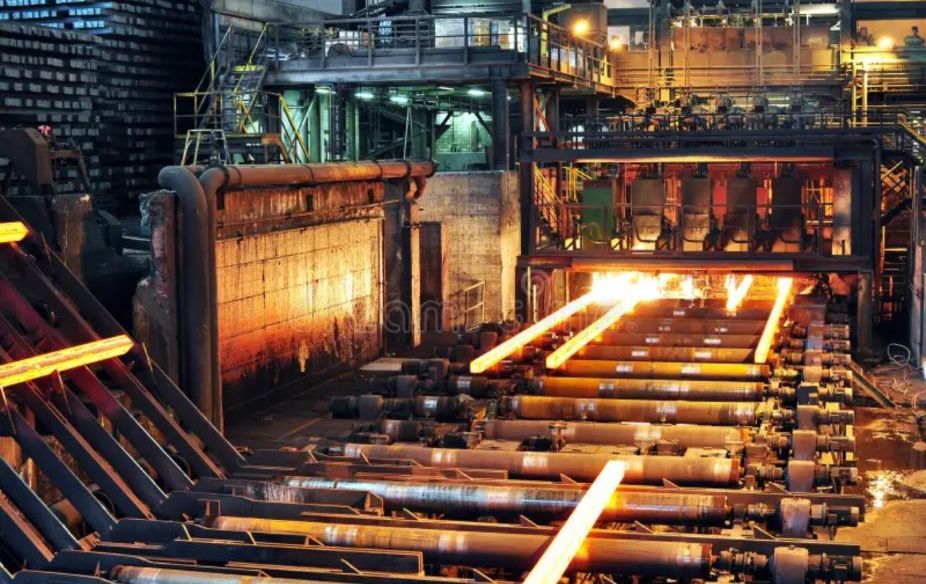
Cheaper industrial decarbonisation linked to shared use of renewables - pv magazine Australia
A new report from Monash University’s Climateworks Centre has found industries that coordinate by sharing infrastructure and using electricity more flexibly, require smaller, smarter and cheaper clean energy systems.
pv magazine Australia · 15 Oct
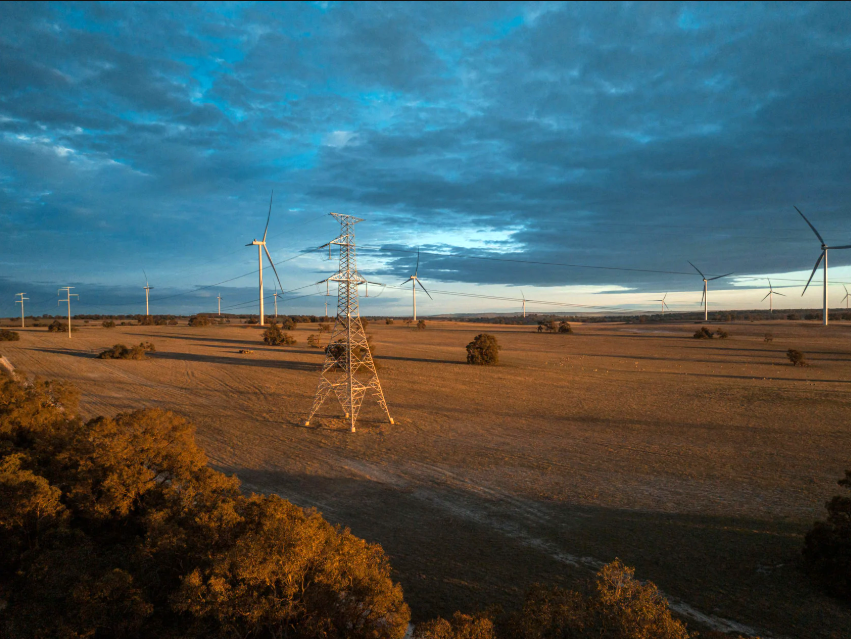
Acciona, GenusPlus, UGL contracted to unlock 2.3 GW of renewable energy in WA - pv magazine Australia
Acciona, GenusPlus and UGL Engineering have been selected by the Western Australian government to deliver the state's Clean Energy Link - East transmission line project, which will help unlock the equivalent renewable energy used of a million homes.
pv magazine Australia · 15 Oct
The hidden transition: Businesses are quietly dumping gas for electric in big shift to industrial heat pumps - RenewEconomy
Slow grind of getting commercial, industrial businesses off gas is accelerating, a new report says. The post The hidden transition: Businesses are quietly dumping gas for electric in big shift to industrial heat pumps appeared first on Renew Economy.
RenewEconomy · 15 Oct

Labor waves through Australia’s biggest wind farm – a project “not possible” under state Coalition buffer policy - RenewEconomy
Final all-clear for huge wind and battery project comes just in the nick of time, with a change of government threatening to deliver a default 2 km buffer zone between regional renewables projects and homes.
RenewEconomy · 15 Oct

China’s Envision Energy lines up major wind and eight-hour battery deal at site of Australian mineral sands mine - RenewEconomy
China's Envision lines up its first wind and battery deal at a new energy park to be hosted in an Australian mineral sands mine, with other projects soon to be announced.
RenewEconomy · 15 Oct